The independent appliance repair shop across the Northeast
Cooktop Repair — Book a Visit Today
We repair gas, electric, and induction cooktops, and the fastest way to start is to call us and tell us what the burners are doing. Failures usually show up small first: a burner that clicks and clicks before it lights, a glass top that heats one ring and ignores another, induction that beeps and quits mid-boil. Behind those symptoms sit igniters, spark modules, surface elements, infinite switches, control boards, and burnt wire connections in the junction box under the counter. Our visit starts with the symptom you describe, then power and continuity testing, then the part itself. On gas we check gas flow and orifices. On electric and induction we check elements, switches, and how the controls respond. Plenty of these cooktops sit in tight galley kitchens and old counters, so we work carefully around stone and tile.
Call (888) 826-9217- A real person answers
- Open 7 days
- Written quote before work starts
Taking calls until 5:00 PM ET
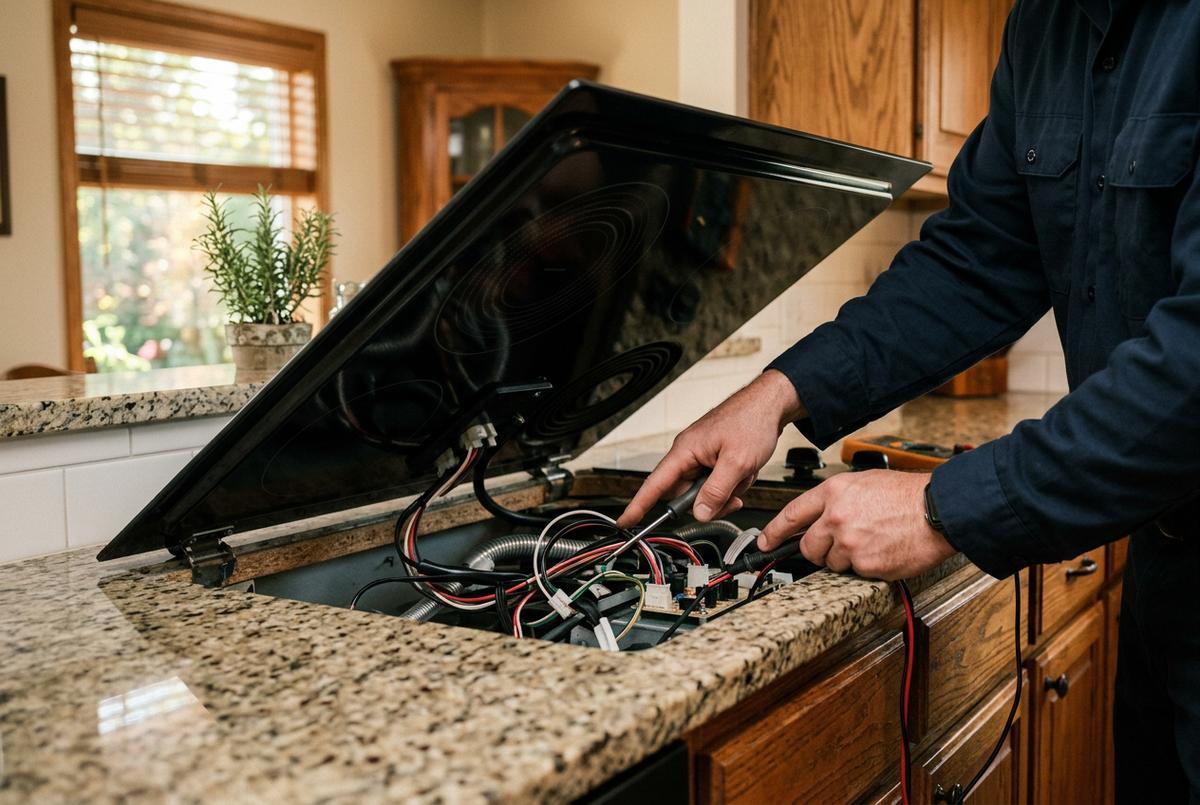
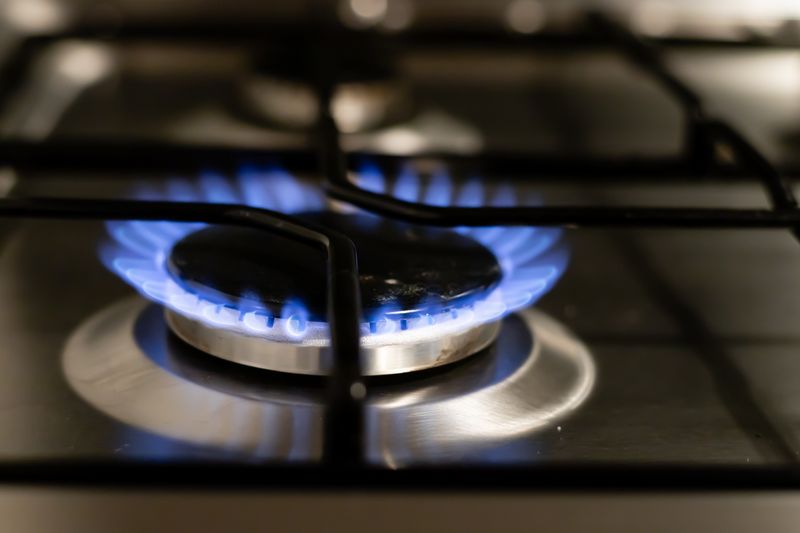
The cooktop symptoms we hear most
- It clicks forever but won't light Igniter or spark module failure, a wet burner cap, or a clogged port
- One burner is dead, the rest work Open surface element, failed infinite switch, or burnt terminal block
- The flame is orange and lifting off Air-to-gas mixture, wrong orifice for the fuel type, or debris in the burner
- Touch controls won't respond to my finger Cracked control glass, failed touch board, or moisture under the panel
- Burner heats full blast no matter the setting Shorted infinite switch, or a stuck relay on the control board
Safe things to check first
Worth a look before you call — sometimes it saves you the visit.
- 1Check the panel and confirm the breaker for the cooktop hasn't tripped.
- 2Pull off the burner caps and grates, let them dry all the way, and look for ports crusted with spillover.
- 3Wipe the touch controls dry with a cloth, because a film of water reads as a stuck finger.
- 4On gas, see whether other gas appliances in the house are working so you know the supply is on.
Guides & troubleshooting
How an independent local shop compares
| Elite AR | Big-box repair chains | Handyman listings | |
|---|---|---|---|
| You approve a written quote first | ✓ | ✕ | ✕ |
| A real person answers, 7 days a week | ✓ | ✕ | ✓ |
| Gas and electric, all major brands | ✓ | ✓ | ✕ |
| No manufacturer targets to hit | ✓ | ✕ | ✓ |
| Crews familiar with homes like yours | ✓ | ✕ | ✓ |
What homeowners say after the visit
“Freezer frost was an inch thick. He fixed the heater, explained the airflow, and the frost never came back.”
Ellen D.Toms River, NJ“Honest about what they could not fix, which made me believe everything else they said.”
Marcus L.Nashua, NH“Washer would not drain with a load of soaked towels inside. They moved the visit up when I explained.”
Judy P.Brooklyn, NYCooktop Repair — quick answers
Is a cracked glass cooktop worth repairing?
Sometimes. A chip at the edge may be cosmetic. A crack that goes through the surface exposes live elements and lets moisture in, so that top needs replacing. We look at where the crack sits and what model it is, then tell you straight what makes sense.
Why does my gas burner keep clicking after it lights?
Usually a spark module that isn't getting the shut-off signal, or moisture bridging the igniter. Spills that run down into the switch do it too. Turn the burner off and call, since continuous sparking wears the module out.
Can you repair induction cooktops?
Yes. Induction failures are usually the power board, a cooling fan that stopped and triggered thermal shutdown, or a coil connection. We test the board and the fan before deciding anything. Some induction units are sealed enough that replacement is the honest answer.
My cooktop is built into stone counter. Can it come out?
It can. Most drop-in cooktops are held by clips underneath and sealed with silicone. We cut the seal, lift from below the counter, and re-seal on the way back. With granite and quartz, careful work matters more than speed.
Do you work on older cooktops?
Often, yes. Old housing stock around here means plenty of cooktops from decades back. Switches, elements, and igniters are frequently still available. Control boards for discontinued models are where it gets hard. We check part availability before you commit to anything.
What should I have ready when I call?
The brand, and the model number if you can get to it. That label is usually under the cooktop or in the paperwork. Tell us gas or electric, and which burners are misbehaving. It shortens the visit a lot.
How it works
- Step 1
Tell us the symptom
Call us or fill out the form and describe what you hear, smell or see. Brand and rough age help. We ask a few questions first so the tech shows up with the likely parts already on the truck.
- Step 2
We come look
Pick a window that works for you. The tech tests the machine and checks power, water and drainage, then tells you what failed in plain words. No jargon. No guessing out loud at your kitchen table.
- Step 3
Repair or straight answer
Most jobs finish on the same visit. If a part has to be ordered, we tell you what it is and why. And if the unit isn't worth fixing, we say that, then you decide.
- A real person answers
- Open 7 days
- Written quote before work starts
Why homeowners call us
- Old houses don't scare usRowhouse kitchens, narrow cellar stairs, stacked units jammed into closets. We've pulled machines through doorways built long before these appliances existed. We protect floors and trim, and everything goes back where it stood.
- Symptom-first diagnosisA dryer that runs cold and a dryer that trips the breaker are two different problems. We test before we replace. That keeps us from swapping out good parts and handing you a bill for nothing.
- Independent, not a brand agentWe repair all major brands and answer to no manufacturer. So we recommend the fix that makes sense for your machine and your budget, and that includes telling you when replacement is the smarter move.
- All major brands, gas & electricIndependent service on Whirlpool, LG, Samsung, GE, Maytag, Bosch, KitchenAid and the rest.
- Straight answersNot worth fixing? We say that out loud, and often it saves you the visit fee.
Cooktop Repair
Small faults become big ones on a schedule of their own
Describe the symptoms and we'll book the visit — takes about a minute.
- A real person answers
- Open 7 days
- Written quotes
- All major brands
- Gas & electric
Rather not call? Get a free quote →